Wow!
I remember first seeing a credit‑card thin piece of hardware that stores crypto. It looked like a sleek business card and felt shockingly simple in my hand. My gut said: this is a gadget people will actually use. At the same time I was skeptical about whether simplicity would mean compromise. Initially I thought hardware wallets had to be fiddly, but then I realized card wallets bridge a usability gap most of us ignore.
Whoa! The first real thing that grabbed me was how effortless the interaction is. Tap your phone to a card — NFC does the heavy lifting — and your keys talk to your app without cables or complex setups. For daily use that matters; people don’t want to wrestle with seed phrases every time they move value. Seriously? Yes. It really feels like moving from bulky DSL to fiber — same network, much less friction. On one hand you retain the cold‑storage advantages of a hardware device; on the other hand you get the familiarity of a contactless card that slips into a wallet or phone case.
Okay, so check this out—there are important tradeoffs. Cards like these often use a secure element to store private keys in a tamper‑resistant chip, which is a big win for physical security. But the convenience of NFC and a single‑tap workflow sometimes tempts users to treat them like a debit card, which is exactly what you shouldn’t do. I’m biased, but that kind of casual behavior bugs me; crypto still demands respect. Still, for people who want a balance between real security and everyday practicality, the card form factor nails a sweet spot.
My instinct said they’d be fragile. Actually, wait—let me rephrase that: I was worried about durability and loss. Then a friend dropped hers in a parking lot and, to our surprise, the chip was fine. On the other hand, losing a card is losing a hardware key, so you must plan for recovery. Most vendors implement secure backup flows or multi‑card setups, though those are not identical across manufacturers. If you use multiple cards as redundancy, you need to think about custody and physical separation — don’t put both in the same glove compartment.
Hmm… there’s a bigger point about trust. These cards reduce reliance on custodial wallets, but they shift trust to firmware, supply chain, and the device maker’s integrity. On one hand, the approach is clearly decentralized compared to exchange custody. Though actually, supply chain attacks and counterfeit cards are a real thing, especially early on in market adoption — be cautious where you buy from. If you want to dive deeper, check hands‑on reviews and community audits before you put tens of thousands on a single card.
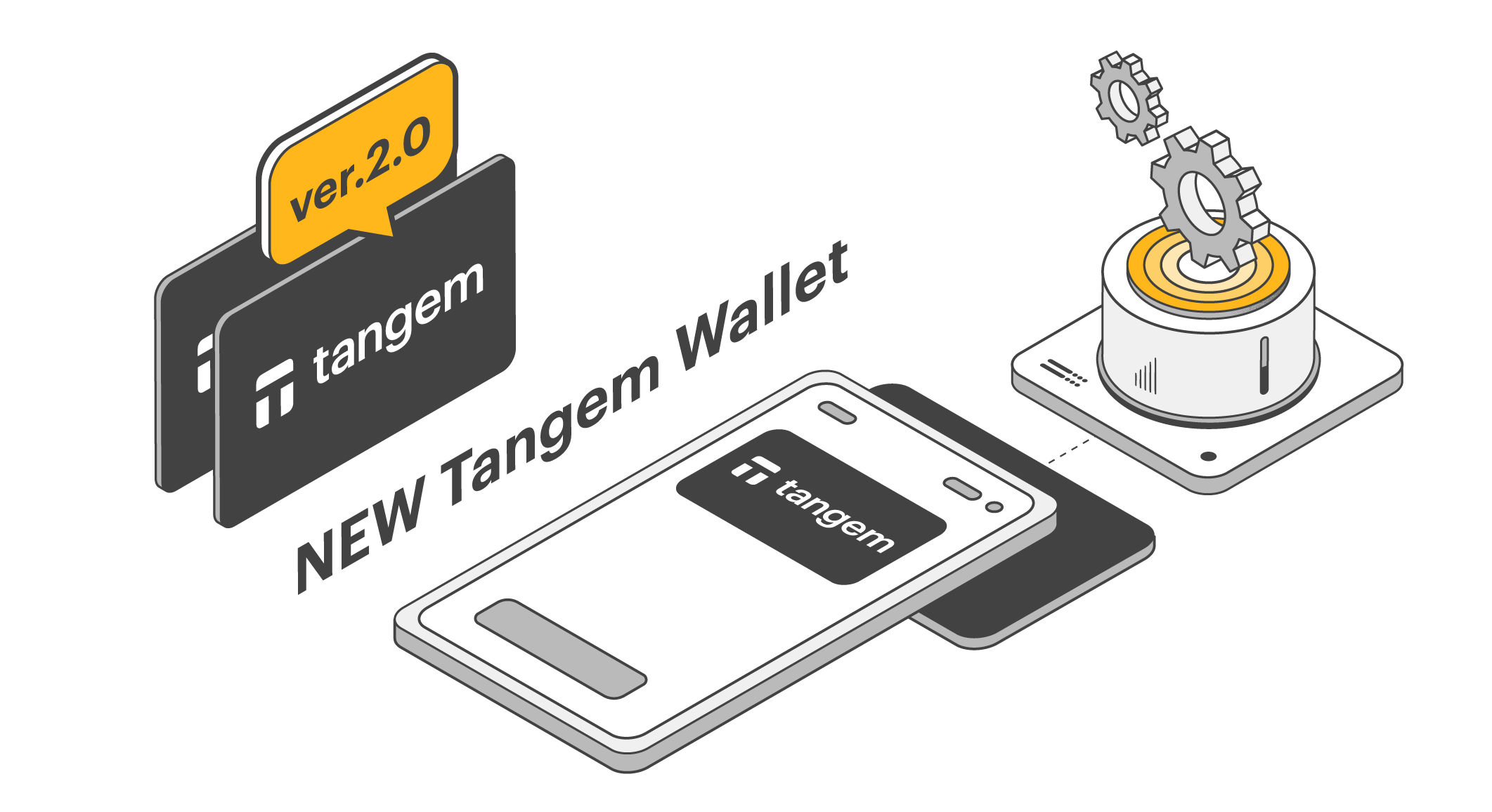
How the card wallet experience feels in real life
Short answer: almost like carrying a hardware wallet that behaves like a contactless payment card. Longer answer: the card stores private keys in a secure element; the phone runs a companion app that requests signatures over NFC; you confirm on the card or via secure PIN, and the app broadcasts the transaction. That simplicity opens doors — gifting, in‑person transfers, and paperless cold storage. I once handed a card to a cousin at a family dinner and watched them scan it to receive funds; the look on their face said it all — pure delight, followed by healthy confusion. (oh, and by the way… they asked where the seed phrase was. I had to explain backup properly.)
Here’s what bugs me about some implementations: recovery plans are inconsistent and poorly explained. If a card is your only key, losing it without a backed up recovery means permanent loss. Some products let you create a recovery wallet or export an encrypted backup; others rely on multiple cards or third‑party custodial recovery services, which reintroduce trust. My recommendation? Use a tested recovery method, and diversify. Not sexy advice, but very very important.
Practical tip: pair a card with a mainstream mobile wallet app and practice sending tiny amounts first. A simple test avoids panic later. If your instinct says something feels off, stop and check the transaction details — NFC previews can be terse and apps sometimes truncate memo fields. My friend nearly sent funds to a wrong chain because they skimmed the UI. Lesson learned: don’t skim. Slow is safe.
Security architecture matters. Cards that embed a certified secure element plus a minimal attack surface are stronger. Cards that rely on Bluetooth to perform signing add complexity and more attack vectors. NFC alone is short‑range and less attack surface by design, but physical proximity doesn’t eliminate risk. For high net‑worth storage, combine card wallets with multisig or distributed backup strategies. Initially I thought a single card was enough for everyone, but then I realized splitting trust is smarter for serious holdings.
Another human thing: the card encourages social use. I’ve seen artists hand them at shows for easy tips, and node runners exchange them at meetups. That tactile, offline transfer is a real icebreaker. At the same time, cultural friction exists — many people still conflate convenience with invulnerability. The right mental model is: this is a private key device, treat it like a key to your safe, not like a loyalty card.
FAQ
How does the card keep my private keys safe?
Cards typically store keys inside a secure element, a hardened chip designed to resist extraction. Signing happens on the chip; only signatures leave the device. That means an attacker who can’t access the chip physically or bypass its protections can’t steal your keys. Still, remember that supply chain risk and firmware vulnerabilities are considerations; buy from reputable sources and verify device authenticity.
What happens if I lose the card?
It depends on your setup. If you created a backup (seed phrase, encrypted backup, or secondary card) you can recover funds. If you used a single card with no backup, loss is irreversible. Best practice: set up a recovery plan before you store meaningful value — test it with small amounts first.
Which brands should I consider?
There are several manufacturers in the NFC card space. I prefer solutions with independent audits, active communities, and transparent firmware policies. One option worth looking into is tangem — they make card wallets that prioritize NFC simplicity and have been visible in reviews and community discussions. Buy from official channels to reduce counterfeit risk.
Final thoughts: a crypto card wallet is not a panacea, though it’s often the best compromise between security and everyday practicality. If you’re the kind of person who wants cold security with mobile ease, the card form factor is compelling. If you’re a maximalist about redundancy and formal multisig ceremonies, you’ll combine cards with other hardware and processes. I’m not 100% sure where this category will sit five years from now, but right now it’s one of the most approachable non‑custodial ways to hold crypto. Try it, but plan your recovery — and don’t carry tens of thousands like it’s loose change… unless you actually enjoy stress.