Whoa!
I first installed a browser wallet thinking it’d be easy. It was quick to set up and the UX looked friendly, but by the end I felt somethin’ different. But within hours something felt off about how permissions were requested and how transactions were displayed, which made me pause and dig deeper into what the extension was actually doing behind the scenes. My gut said: review every permission before clicking confirm.
Seriously?
I kept finding popup dialogues that implied things they didn’t mean. At first I thought it was just poor copywriting. Actually, wait—let me rephrase that: initially I thought that sloppy wording was the problem, though after tracing network calls and inspecting the manifest I found that some endpoints were overly broad and could potentially leak account metadata to third parties. On one hand this seemed minor, though actually it wasn’t.
Hmm…
DeFi wallet extensions sit at the intersection of convenience and risk. They hold your keys, sign transactions, and mediate your on-chain interactions. So, when an extension asks for broad host permissions or global webRequest hooks, that request should raise eyebrows because malicious actors or compromised build pipelines can exploit those capabilities to alter transaction parameters or present phishing UI overlays that trick users into signing harmful messages. I wasn’t exaggerating when I said this stuff matters.
Here’s what bugs me.
Many people assume all extensions on the Chrome store are equal. On one hand, store vetting helps, but on the other hand there have been multiple incidents where clones, typosquats, or hijacked updates reached users because the supply chain and developer accounts were targeted (oh, and by the way…), which means relying solely on the store is insufficient for high-value DeFi users. Using a hardware wallet still reduces exposure significantly in many attack scenarios. But the UX tradeoff causes people to skip it.
Okay, so check this out—
I started testing Rabby as a daily driver for a few months. I’m biased, but its transaction simulation and granular permission model stood out. Initially I thought it was just another wallet with polish, but then I realized that the team had put thought into permission scaffolding, safer default settings, and clear transaction details which together reduce accidental approvals and provide better visibility into what you’re signing. That combination matters if you manage multiple accounts and interact with complex smart contracts.
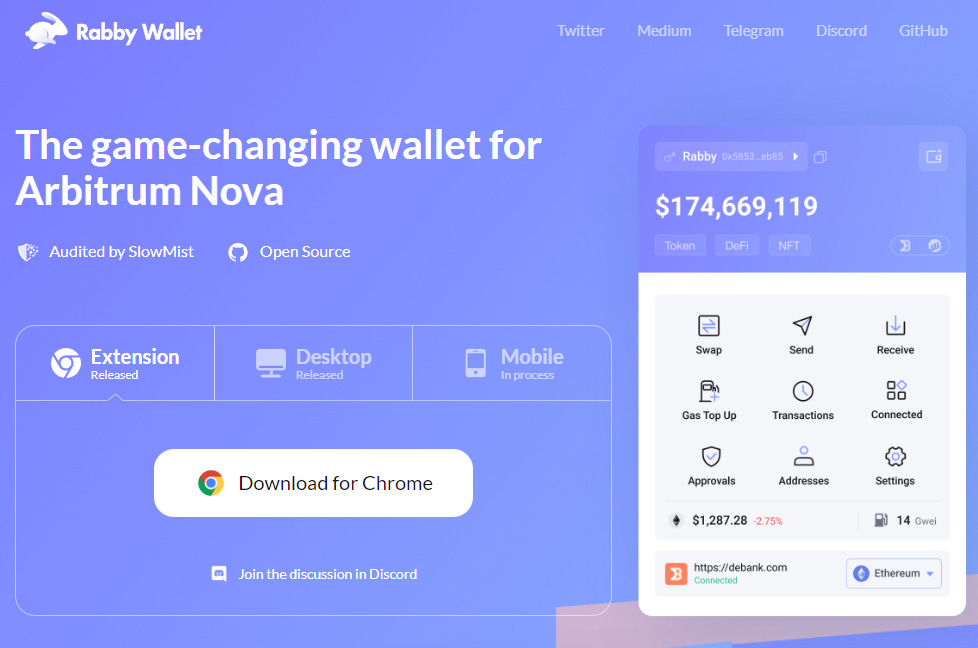
Why I recommend rabby for extension-first users
Try it.
If you want a safer browser extension workflow give rabby a spin. The devs built features like transaction simulation, EIP-712 clarity, and hardware wallet integration. On the technical side, the extension minimizes required permissions where possible and surfaces exactly which contract interactions will change token allowances or move funds, which in practice reduces risky blind approvals and makes it easier to catch anomalies before signing anything. I’m not saying it’s perfect, though it’s a solid step forward for extension-first DeFi users.
Wow!
But no wallet is a panacea for every threat model. User behavior remains central: if you paste seed phrases into random sites or approve ridiculous meta-transactions knowingly, even the best UI can’t save you because signing is an explicit cryptographic act that grants authorization, and authorization is final on-chain unless a contract includes specific safety mechanisms. So training and muscle memory for reviewing requests are essential for safe operation. Make reviewing confirmations a steady habit when interacting with contracts.
I’m not 100% sure, but…
There are also supply-chain risks during updates and with developer accounts. Verify extension signatures, check changelogs, and confirm the maintainer before updating. On a deeper level, the ecosystem should move toward stronger attestation (like signed builds reproducible across CI) and better store protections, because until those systems mature users will continue to be the first line of defense and they often lack the tooling to make informed choices quickly. That UX gap is exactly where thoughtful wallet design can really help users make safer decisions.
This part bugs me.
Many people assume that approvals and transactions are reversible on chain. For instance, setting infinite token approvals is a common optimization that saves gas and time, though it creates a persistent attack surface and once granted it enables contracts with malicious code to transfer funds without further prompts, which is why allowance management matters more than most tutorials make clear. Rabby and similar wallets make allowance revocation easier if you remember to check them. But habit change is hard; very very hard for many users to adopt.
Aha!
After months of use my outlook shifted from skepticism to cautious optimism. Initially I thought a wallet’s job was only to sign transactions, but over time I realized that browsers and wallets must collaborate to reduce attack surfaces, educate users, and provide clear, unambiguous transaction metadata that can be verified before signing. I’m biased, but I think tools that surface intent and simulate outcomes are worth the slight UX friction. So if you care about DeFi safety, try small changes today and keep learning…
Common questions
Is a browser extension wallet safe for large balances?
Short answer: not by default. Use hardware wallets for large sums and treat extensions as a convenient hot wallet for routine interactions; segregate funds and limit approvals.
How do transaction simulations help?
They show what a transaction will do before you sign, including token movements and contract calls, which helps detect unexpected behavior or malicious slippage before funds leave your control.
What simple habits improve safety?
Check permissions, avoid infinite approvals, verify domains and contract addresses, use hardware wallets for critical ops, and update extensions from official sources only—small steps stack up.