How does the thrill of gambling affect mental well-being
The Psychological Impact of Gambling
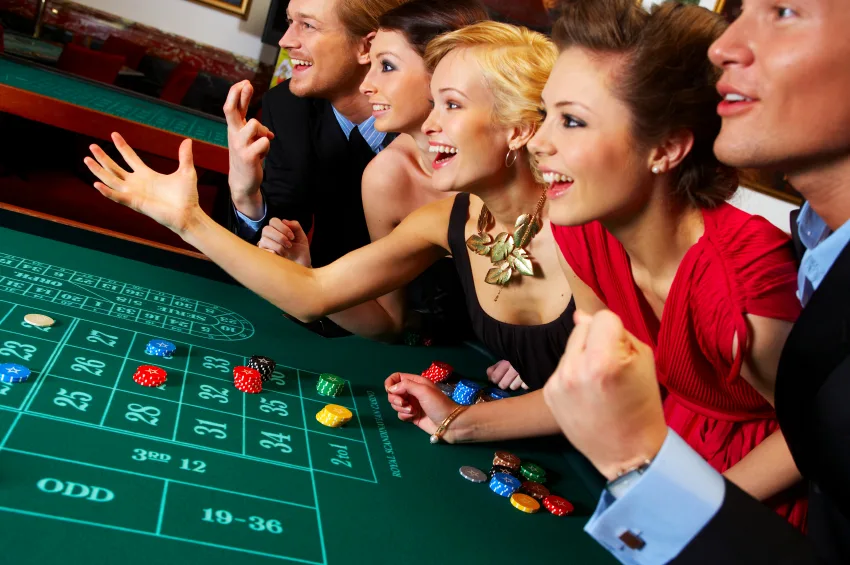
The thrill of gambling can create a rush that is profoundly appealing to many individuals. This excitement often stems from the unpredictability associated with games of chance, such as slot machines and poker. As players engage in these activities, their brains release dopamine, a neurotransmitter linked to pleasure and reward. This biochemical reaction can enhance mood and promote feelings of happiness, making gambling an enticing escape. Many enjoy exploring usa online casinos for this very reason.

However, this psychological high can lead to a cycle of behavior that may have adverse consequences. The initial thrill may encourage repeated engagement, resulting in compulsive gambling for some individuals. This pattern can contribute to anxiety and depression when the excitement fades and financial losses are realized, creating a complex relationship between mental well-being and gambling behavior.
Myths and Misconceptions Surrounding Gambling
There are many myths surrounding gambling, particularly regarding its impact on mental health. One common misconception is that gambling is purely a form of entertainment and has no emotional consequences. While many enjoy gambling as a leisure activity, it can also lead to significant mental distress. Understanding these myths is crucial for fostering a more realistic perspective on gambling and its effects.
Additionally, some believe that gambling can serve as a remedy for stress and anxiety. While the temporary thrill may provide relief, it can often exacerbate underlying issues. As individuals chase the fleeting high, they may find themselves in deeper emotional turmoil, leading to a cycle of reliance on gambling as a coping mechanism. Recognizing these misconceptions can aid in promoting healthier attitudes towards gambling.
Positive Effects of Gambling in Moderation
While excessive gambling can have detrimental effects, there are potential benefits when gambling is approached with moderation. Engaging in gambling activities in a controlled manner can foster social connections and enhance cognitive skills. Games that require strategy, like poker, can stimulate mental engagement and promote critical thinking.
Moreover, for some individuals, gambling can serve as a creative outlet or a form of entertainment that provides a break from routine stressors. When approached responsibly, the thrill of gambling may enrich lives, offering enjoyment without the negative consequences often associated with compulsive behavior.
Recognizing Problem Gambling
Understanding when gambling becomes a problem is essential for maintaining mental well-being. Signs of compulsive gambling include persistent preoccupation with gambling, unsuccessful attempts to cut back, and lying about gambling habits. Recognizing these behaviors is the first step toward seeking help and addressing the mental health implications associated with gambling addiction.
Support systems, including therapy and support groups, play a vital role in helping individuals overcome gambling-related issues. By addressing the underlying psychological factors that drive gambling behavior, individuals can work towards healthier coping mechanisms and restore balance in their mental health.
Website Insights on Gambling and Mental Health
This website aims to provide comprehensive insights into the complex relationship between gambling and mental well-being. By focusing on the psychological effects, myths, and potential benefits of gambling, it seeks to foster a better understanding of this activity’s impact. Users can benefit from informative content that promotes responsible gambling practices.
Moreover, the site serves as a resource for individuals struggling with gambling-related issues, offering support and guidance for those who recognize the need for change. By addressing these challenges, the website plays a crucial role in promoting awareness and encouraging healthier behaviors in the realm of gambling.