
It is a result of accrual accounting and follows the matching and revenue recognition principles. Under the accrual basis of accounting the account Supplies Expense reports the amount of supplies that were used during the time interval indicated in the heading of the income statement. Supplies that are on hand (unused) at the balance sheet date are reported in the current asset account Supplies or Supplies on Hand. Equipment is a noncurrent or long-term asset account which reports the cost of the equipment.
Regulatory Reporting Data Sheet
Adjusting journal entries are essential tools in accounting, ensuring the proper application of the accrual basis. We will delve deeper into the specific types of adjusting journal entries, offering insights into how each type functions and their role in maintaining accurate financial records. In accounting, the principle of matching revenue with related expenses is fundamental.

Why do we need to make an adjusting entry for accrued revenues?
Across this series, we have examined the definition, purpose, types, and practical applications of these entries within the broader accounting cycle. Initially recorded as unearned revenue, each billing period that services are provided will require an adjusting entry to transfer a portion of the liability into revenue. Initially, this amount is recorded as a liability because the company owes a product or service.
What is an Adjusting Journal Entry?
Without them, financial statements would fail to reflect the true economic activities of a business. Have you ever wondered how businesses ensure their financial statements accurately reflect their economic activity? Understanding the process of making adjusting journal entries is crucial for maintaining precise accounting records and adhering to fundamental principles like revenue recognition and the matching principle. These entries not only help businesses comply with accounting standards but also ensure that stakeholders have a clear view of financial health. Adjusting entries are journal entries made at the end of an accounting period to record transactions that have occurred but haven’t yet been recognized in the financial records. These specialized entries ensure your financial statements accurately reflect your company’s financial position by properly aligning revenues and expenses to the correct accounting periods.
- Adjusting entries impact both balance sheet accounts and income statement accounts by recognizing revenues and expenses appropriately within the correct accounting periods.
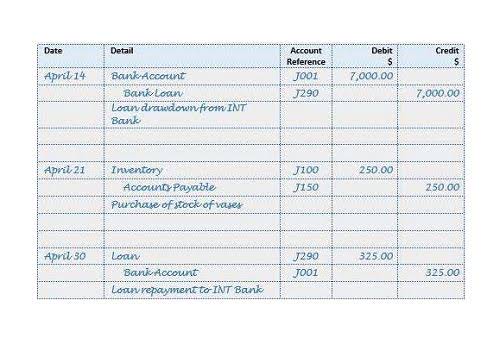
- An adjusting journal entry is an accounting entry made at the end of an accounting period to record income or expenses that have not been previously recognized.
- By mastering these entries, accountants can ensure compliance with accounting standards, maintain the integrity of financial statements, and support informed decision-making.
- On the December income statement the company must report one month of interest expense of $25.
- A post-closing trial balance is prepared to ensure all temporary accounts have been closed and only permanent accounts (assets, liabilities, equity) remain.
Depreciable assets (also known as fixed assets) are physical objects a business owns that last over one accounting period, such as equipment, furniture, buildings, etc. These prepayments are first recorded as assets, and as time passes by, they are expensed through adjusting entries. The life of a business is divided into accounting periods, which is the time frame (usually a fiscal year) for which a business chooses to prepare its financial statements. In some situations it is justan unethical stretch of the truth easy enough to do because of theestimates made in adjusting entries. Doubling the usefullife will cause 50% of the depreciation expense you would have had.This will make a positive impact on net income.
Suppose in February you hire a contract worker to help you out with your tote bags. In March, when you pay the invoice, you move the money from accrued expenses to cash, as a withdrawal from your bank account. When you generate revenue in one accounting period, but don’t recognize it until a later period, you need to make an accrued revenue adjustment. If you have a bookkeeper, you don’t need to worry about making your own adjusting entries, or referring to them while preparing financial statements. If you do your own accounting and you use the cash basis system, you likely won’t need to make adjusting entries.

Applying adjusting entries inconsistently from one period to another creates irregularities in financial reporting and makes trend analysis difficult. Based on what you find, adjusting entries categorize each needed adjustment as accrued revenue, accrued expense, deferred revenue, prepaid expense, depreciation, or an estimate. This easy-to-follow guide is designed for accountants, finance teams, and business owners who want to master the art of adjusting entries. We’ll walk through definitions, types, step-by-step procedures, and real-world examples that demonstrate how these entries work across different industries. We’ll also highlight common mistakes to avoid and how automation can streamline the entire process.
What is the purpose of adjusting journal entries?
This is posted to the Supplies Expense T-account on the debit side (left side). This is posted to the Supplies T-account on the credit side (right side). You will notice there is already a debit balance in this account from the purchase of supplies on January 30. Under the accrual method, revenue and expenses are recognized in the period in which they were (revenue) or incurred (expenses), regardless of whether you have received https://www.hungaroraft.hu/2020/09/18/8-fund-accounting-jobs-in-manhattan-new-york-city/ or made payment. Whether you’re a seasoned accountant or just starting to navigate the world of financial reporting, this article will shed light on this crucial aspect of accounting. Incorporating adjusting entries into the accounting cycle bridges the gap between real-world events and financial reporting.
When a business pays for goods or services in advance, the payment is initially recorded as an asset. Over time, as the benefit is consumed, the value of the asset decreases, and an expense is recognized. As businesses grow and transactions become more complex, the role of adjusting entries becomes even more significant.
What if unearned revenue is understated?
This report shows the company’s revenues and expenses over the accounting period. The adjusted trial balance is prepared after all adjusting entries have been posted. This document ensures that total debits equal total credits after adjustments and confirms that the ledger is in balance. trial balance Using double-entry bookkeeping, create the journal entry to update the account balances. Each entry should include a debit and a credit, affecting both the income statement and the balance sheet.